Table of Contents
The ticking heart of a mechanical watch represents something increasingly rare in our digital age: pure, unpowered mechanical ingenuity. There’s a profound satisfaction in strapping a miniature engine to your wrist—one that runs without batteries, powered solely by springs, gears, and centuries of refined craftsmanship. For new collectors, this world can feel simultaneously intoxicating and overwhelming, with dizzying price ranges, technical jargon, and passionate debates about heritage versus innovation.
This guide cuts through the noise to equip you with the knowledge to make informed decisions. Rather than handing you a simplistic list of watches to buy, we’ll explore the fundamental principles that separate exceptional timepieces from forgettable ones. You’ll learn how to evaluate movements, understand the true cost of ownership, and build a collection that reflects both your personal style and smart horological investments. Whether you’re drawn to the romance of vintage pieces or the precision of modern manufacturing, these insights will serve as your compass in the fascinating journey of mechanical watch collecting.
Top 10 Mechanical Watches
Detailed Product Reviews
1. SEIKO 5 Automatic Black Eastern Arabic Dial Men’s Watch SNKP21J1
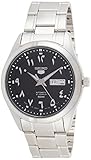
Overview: The SEIKO 5 SNKP21J1 is a distinctive Japanese automatic watch featuring Eastern Arabic numerals, catering specifically to Middle Eastern markets. This 41mm timepiece combines the legendary reliability of the SEIKO 5 line with a unique cultural aesthetic. The stainless steel construction and automatic movement represent genuine horological value at an accessible price point, packaged in a design that stands apart from typical Western-numeral watches.
What Makes It Stand Out: The Eastern Arabic numeral dial sets this watch apart from standard SEIKO 5 models, making it a conversation piece for collectors. It includes both day and date complications—a rare feature in this price class—powered by the workhorse 7S26 automatic movement. The “Made in Japan” designation carries significant weight among enthusiasts seeking authentic Japanese craftsmanship rather than mass-market alternatives.
Value for Money: Typically priced between $100-150, this watch delivers authentic automatic movement credibility that far exceeds fashion watch alternatives. The unique dial variant adds collector interest without premium pricing, representing one of the most affordable ways to own a culturally specific Japanese timepiece with genuine mechanical heritage and brand recognition.
Strengths and Weaknesses: Strengths include reliable automatic movement, distinctive Eastern Arabic numerals, day-date functionality, and solid stainless steel construction. Weaknesses are the basic 5 ATM water resistance, potentially non-English manual (being a JDM model), hollow end-link bracelet, and lack of hacking seconds or hand-winding capability common to this movement generation.
Bottom Line: Ideal for watch enthusiasts seeking something unique or those with cultural ties to Eastern Arabic script. It’s a reliable daily wearer that offers genuine horological heritage with an exotic twist, though purists should note the movement’s limitations.
2. Timex Men’s Expedition Scout 40mm Watch – Black Case Cream Dial with Green Fabric Strap

Overview: The Timex Expedition Scout is a purpose-built field watch that embodies rugged functionality in a 40mm package. With its black case, cream dial, and military-inspired design, this quartz timepiece is engineered for outdoor enthusiasts who demand reliability without sacrificing readability. The green fabric strap reinforces its utilitarian credentials while providing lightweight, comfortable wear for active use.
What Makes It Stand Out: Timex’s legendary INDIGLO backlight transforms nighttime legibility, illuminating the entire dial with a soft blue glow at the push of a button. The 24-hour military time scale printed on the inner dial provides instant dual-format reference. Combined with full Arabic numerals and a date window, it offers maximum practical information density in a classic field watch layout.
Value for Money: Priced between $40-60, the Expedition Scout represents exceptional value. You’re getting a legitimate outdoor watch from an American heritage brand with proprietary backlight technology and a design that rivals watches costing three times as much. Battery life typically exceeds three years, minimizing ownership costs while delivering quartz accuracy.
Strengths and Weaknesses: Strengths include unbeatable price, robust construction, excellent nighttime visibility, and true outdoor heritage. The fabric strap is comfortable and adjustable. Weaknesses include the notoriously loud quartz tick, basic mineral crystal (not sapphire), strap that can soil quickly, and limited 50m water resistance that precludes serious water activities.
Bottom Line: The perfect beater watch for camping, hiking, or everyday abuse. It tells time reliably, lights up brilliantly in the dark, and costs less than a dinner out. For pure function over form, it’s nearly impossible to beat.
3. MASTOP Men’s Classic Automatic Mechanical Day Calendar Luxury Leather Band Watch (Brown)

Overview: The MASTOP Classic Automatic positions itself as an entry-level mechanical dress watch featuring Japanese automatic movement and a brown leather strap. This timepiece targets budget-conscious buyers curious about automatic watches without the investment typically required. The day calendar complication adds functional value to its classic aesthetic, though the brand remains obscure in horological circles.
What Makes It Stand Out: At its ultra-low price point, it makes automatic watch ownership accessible to virtually anyone. The clean, minimalist dial design apes more expensive dress watches, while the day display provides a practical complication rarely seen in this category. It’s one of the cheapest ways to experience mechanical watch ownership without resorting to questionable no-name brands.
Value for Money: Typically selling for $30-50, the MASTOP is undeniably cheap—but “cheap” defines both price and quality. While it undercuts even basic quartz fashion watches, it compromises on water resistance (described only as “living waterproof”), materials, and brand credibility. You’re paying for mechanical novelty, not longevity or serviceability.
Strengths and Weaknesses: Strengths include rock-bottom pricing, automatic movement curiosity, and acceptable aesthetics for formal wear. Weaknesses are severe: requires 8+ hours of daily wear to maintain power, no meaningful water resistance, unknown movement origin and durability, questionable quality control, and lack of brand heritage or service support.
Bottom Line: Only recommended as a disposable introduction to automatic watches for the genuinely curious. Serious buyers should save for a Seiko or Citizen. It’s a toy that tells time, not a timepiece to treasure.
4. SEIKO 5 Automatic Blue Dial 38mm Stainless Steel Men’s Watch SNXS77

Overview: The SEIKO 5 SNXS77 is a beloved 38mm automatic watch that has achieved cult status among enthusiasts for its perfect proportions and timeless design. Featuring a deep blue sunburst dial and stainless steel bracelet, this Japanese timepiece represents the entry point into legitimate mechanical watchmaking. Its compact size makes it ideal for smaller wrists or those preferring vintage sizing over modern oversized trends.
What Makes It Stand Out: The 38mm case diameter hits a sweet spot rarely offered in modern watches, which typically start at 40mm. The SNXS77’s rich blue dial, combined with the reliable 7S26 movement and day-date complication, delivers SEIKO’s legendary durability in a refined, wear-anywhere package that dresses up or down effortlessly while maintaining discreet wrist presence.
Value for Money: Often available for under $100, this watch offers arguably the best price-to-quality ratio in automatic watches. You’re getting a genuine in-house Japanese movement, solid stainless steel construction, and brand heritage that fashion watches costing twice as much cannot match. It’s a gateway drug to serious watch collecting.
Strengths and Weaknesses: Strengths include ideal sizing for most wrists, reliable automatic movement, versatile design, and unbeatable brand reputation. Weaknesses include basic 30m water resistance, non-hacking/non-hand-winding movement, hollow end-link bracelet, and the movement’s dated specifications compared to modern calibers.
Bottom Line: The definitive first automatic watch for anyone serious about horology. Its modest size, reliable performance, and classic styling make it a lifetime keeper, even as your collection grows. You simply cannot buy more watch for the money.
5. FORSINING Watches for Man, Square Retro Mechanical Watch Self-Wind Carved, Skeleton Automatic Watches Vintage Leather Strap Wristwatch

Overview: The FORSINING Square Retro Mechanical Watch is a fashion-forward skeleton timepiece featuring a carved gold-tone case and vintage leather strap. This Chinese-made watch prioritizes visual drama over horological tradition, displaying its inner workings through a square dial opening. It’s designed as a statement piece rather than a precision instrument for those who want wrist presence without Swiss pricing.
What Makes It Stand Out: The ornate carved case and skeletonized dial create immediate visual impact at a glance. The square case shape differentiates it from countless round watches, while the gold finish and exposed gears cater to buyers seeking baroque styling on a budget. It’s unapologetically flashy and decorative, designed to attract attention and spark conversation.
Value for Money: Priced around $50-80, it delivers skeleton watch aesthetics for a fraction of what Swiss brands charge. However, the unknown movement quality and brand’s lack of heritage mean you’re paying purely for looks, not engineering. It’s costume jewelry that happens to tell time, competing with fashion watches rather than serious timepieces.
Strengths and Weaknesses: Strengths include distinctive skeleton design, 50m water resistance (surprising for this category), included gift packaging, and conversation-starting appearance. Weaknesses are the unknown movement reliability, requirement for frequent manual winding, gaudy aesthetic that limits versatility, poor resale value, and lack of brand service network or longevity.
Bottom Line: Buy this if you want a flashy accessory for occasional wear and understand its limitations. It’s perfect for costume parties or as a gift for someone who values style over substance. Serious watch enthusiasts should look elsewhere for genuine craftsmanship.
6. FORSINING Black Mechanical Watch for Men Minimalist Retro Design Staempunk Mechanical Skeleton Wrist Watch Transparent Business Mesh Band Watch

Overview: This FORSINING skeleton watch combines vintage steampunk aesthetics with modern accessibility. Featuring a fully exposed movement with Roman numerals and a black mesh band, it offers entry-level mechanical horology for budget-conscious enthusiasts who appreciate visible craftsmanship.
What Makes It Stand Out: The transparent dial reveals intricate silver movement details at a fraction of luxury skeleton watch prices. Its steampunk-inspired design with Roman numerals creates distinctive wrist presence, while the included adjustment tool enables DIY resizing without jeweler visits—a rare convenience in this price tier.
Value for Money: Priced competitively under $50, this watch delivers genuine mechanical fascination that typically costs hundreds. While build quality can’t match Swiss counterparts, it democratizes skeleton watch ownership. The adjustable mesh band adds value, though the manual-wind movement’s short power reserve demands daily attention.
Strengths and Weaknesses: Pros include striking visual design, easy band adjustment, and authentic mechanical movement. Cons involve requiring frequent winding (15-20 turns daily), questionable long-term durability, minimal water resistance (not suitable for swimming), and no brand pedigree for resale value.
Bottom Line: Ideal for style-focused buyers wanting mechanical watch aesthetics on a strict budget. Best suited as a fashion piece rather than reliable timekeeper. Enthusiasts should view it as an affordable introduction to skeleton watches before investing in premium alternatives.
7. Fossil Men’s Townsman 44mm Automatic Watches for Men, Skeleton Watch, Stainless Steel and Leather, Color: Silver, Brown, Blue (Model ME3110)

Overview: Fossil’s Townsman Automatic bridges accessible luxury and horological transparency. This 44mm skeleton watch features a blue satin dial with gold accents, visible automatic movement, and genuine leather strap, packaged in a refined steel case with 50m water resistance for versatile wear.
What Makes It Stand Out: The combination of a respected fashion brand with genuine automatic mechanical movement sets it apart from generic skeleton watches. The blue satin dial with skeleton cutouts creates depth, while Fossil’s 22mm interchangeable strap system offers customization. Mineral crystal provides adequate scratch resistance for daily use.
Value for Money: At approximately $200-250, it positions itself between budget skeletons and entry-level Swiss pieces. You’re paying for brand credibility, better quality control, and after-sales support than no-name alternatives. The automatic movement eliminates daily winding, justifying the premium over manual-wind competitors.
Strengths and Weaknesses: Pros include reputable brand backing, genuine automatic movement, versatile 50m water resistance, attractive two-tone design, and strap interchangeability. Cons feature hardened mineral crystal (not sapphire), fashion-brand resale limitations, and a 44mm size that may overpower smaller wrists.
Bottom Line: A solid choice for buyers seeking brand recognition with mechanical authenticity. Perfect for office-to-weekend wear. While not a heritage horology piece, it delivers reliable style and function for those entering the automatic watch world.
8. FORSINING Men’s Automatic Watch with Mechanical Movement, Skeleton Dial and Leather Band
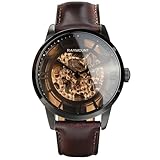
Overview: This gold-toned FORSINING skeleton watch targets gift-givers and entry-level collectors with its ornate European-inspired design. Featuring an elaborate engraved case, visible mechanical movement, and leather band, it emphasizes decorative horology over technical precision at an accessible price point.
What Makes It Stand Out: The lavish gold aesthetic and intricate case engraving create immediate visual impact unmatched in sub-$100 watches. Its 50m water resistance exceeds many budget skeleton watches, while the skeletonized dial offers unimpeded movement views. The gift-ready presentation makes it ideal for special occasions.
Value for Money: Typically priced under $60, it delivers dramatic styling and mechanical intrigue. The improved water resistance adds practical value, though the manual-wind movement’s short power reserve requires diligence. It’s essentially decorative jewelry with horological elements rather than a precision instrument.
Strengths and Weaknesses: Pros include bold gold design, better water resistance (50m), comfortable leather band, and strong gift appeal. Cons involve requiring frequent manual winding, uncertain long-term reliability, potentially gaudy aesthetics for conservative tastes, and lack of brand heritage.
Bottom Line: Best purchased as a statement accessory or impressive gift for non-collectors. The ornate design suits those wanting wrist presence over subtlety. Mechanical watch purists should invest more for automatic movements, but fashion-conscious buyers receive adequate value for the price.
9. Gosasa Business Men Watch Double Sided Hollow Transparent Analog Display Stainless Steel Quartz Waterproof Creative Male Wrist Watch (Silver S)

Overview: Gosasa’s double-sided skeleton watch distinguishes itself with true front-and-back transparency and quartz accuracy. This stainless steel timepiece features luminescent markers, mineral glass, and 30m water resistance, targeting buyers who prioritize visual mechanics over traditional automatic craftsmanship.
What Makes It Stand Out: The double-sided hollow design provides 360° movement views rarely seen at this price point. Luminescent hands and markers enhance legibility, while the quartz movement eliminates winding concerns plaguing mechanical skeletons. The full stainless steel construction offers durability budget skeletons often lack.
Value for Money: Usually under $40, it’s among the most affordable true skeleton designs. Quartz reliability ensures accurate timekeeping without maintenance, making it practical for daily wear. However, “30m waterproof” claims contradict swimming recommendations—realistically splash-proof only, creating confusing marketing.
Strengths and Weaknesses: Pros include double-sided transparency, no winding needed, luminous features, and all-steel build. Cons feature questionable water resistance claims, unknown brand reliability, quartz movement lacking mechanical authenticity enthusiasts crave, and potential durability issues with transparent caseback sealing.
Bottom Line: Perfect for buyers wanting skeleton aesthetics with quartz convenience and minimal maintenance. Ideal for office wear but avoid water exposure despite marketing claims. Those seeking genuine mechanical experience should look elsewhere, but style-focused users get excellent visual bang for buck.
10. Invicta Men’s Pro Diver 40mm Steel and Gold Tone Stainless Steel Automatic Watch with Coin Edge Bezel, Two Tone/Blue (Model: 8928OB)

Overview: Invicta’s Pro Diver 8928OB offers genuine automatic diving credentials at an entry-level price. This 40mm two-tone watch features a Japanese NH35A automatic movement, 200m water resistance, magnified date window, and coin-edge unidirectional bezel, blending tool-watch functionality with dress-watch aesthetics.
What Makes It Stand Out: The 200m water resistance and screw-down crown provide true dive-watch capability rarely found under $200. The reliable Seiko NH35A movement offers hacking and hand-winding, while the two-tone steel and 23k gold plating creates versatile styling. Invicta’s established distribution network ensures parts availability.
Value for Money: Priced around $100-150, it delivers specifications matching watches costing twice as much. The NH35A movement alone justifies the price, offering robust performance and serviceability. While finishing won’t match luxury divers, it provides authentic functionality without homage-watch compromises.
Strengths and Weaknesses: Pros include true 200m water resistance, reliable Japanese automatic movement, versatile two-tone design, functional dive bezel, and strong value. Cons involve Invicta’s polarizing brand reputation, potentially flashy aesthetics, mineral crystal instead of sapphire, and gold plating that may wear over time.
Bottom Line: An unbeatable value for buyers wanting legitimate dive-watch specs with automatic movement. Perfect for hobbyists seeking reliable beater watches or first-time automatic owners. While not a heritage piece, its functional credentials and movement quality make it a smart purchase over fashion-brand alternatives.
Understanding Mechanical Movements
Before you can appreciate what makes a mechanical watch worth collecting, you need to understand what’s happening beneath the dial. The movement—often called the caliber—is the engine that drives everything, and its design reveals the watch’s true character.
Automatic vs. Manual Wind
The distinction between these two movement types shapes your daily interaction with the watch. Automatic movements, powered by a rotor that winds the mainspring through wrist motion, offer convenience for daily wear. You can set it and forget it, though they typically require 30-40 hours of power reserve when not worn. Manual wind movements demand intentional engagement—you’ll need to wind the crown daily or every few days, depending on the power reserve. This ritual creates a tactile connection many collectors cherish, and manual movements often showcase finishing more dramatically without the rotor obscuring the view through a display caseback.
The Beauty of the Escapement
At the core of every mechanical watch lies the escapement—the mechanism that divides time into equal parts. The lever escapement dominates modern watchmaking for its reliability, but understanding its function helps you appreciate what you’re paying for. The beat rate, measured in vibrations per hour (vph), directly impacts smoothness: 28,800 vph (8 beats per second) creates a silky seconds hand sweep, while 21,600 vph offers a more traditional, deliberate motion. Higher beat rates generally mean more precise timekeeping but increased wear, requiring more frequent servicing.
Why Start with Mechanical Watches?
Quartz watches tell time more accurately and cost significantly less, so why begin your collection with mechanical pieces? The answer lies in the intersection of artistry, engineering, and investment potential. Mechanical watches represent human achievement in miniaturization—hundreds of components working in harmony without electronic assistance. They connect you to 500+ years of horological tradition while offering tangible assets that can appreciate over time. Unlike quartz, which becomes obsolete and unrepairable, a well-maintained mechanical watch can run indefinitely, becoming a family heirloom. The community aspect matters too: mechanical watches spark conversations, signal shared values among enthusiasts, and provide endless opportunities for learning.
Setting Your Budget Realistically
Entry-level mechanical watches start around $300-500, but “entry-level” means different things to different collectors. A realistic first-collector budget typically falls between $1,000 and $3,000, where you find respected movements, solid construction, and brands with genuine heritage. Below this range, you’re often getting mass-produced movements with minimal decoration and cases built to price points. Above it, you enter serious horology where finishing and in-house manufacturing justify higher costs. Remember to budget 20-30% extra for straps, tools, and eventual servicing. The golden rule: never stretch your finances for a watch—there’s always a worthy option within your actual budget.
Key Features to Evaluate
When examining potential additions to your collection, train your eye to assess these critical elements that determine long-term satisfaction and value retention.
Case Materials and Construction
Stainless steel remains the pragmatic choice for new collectors—durable, versatile, and easy to polish. Look for 316L grade steel, though 904L offers superior corrosion resistance at premium price points. Watch for sharp, defined case edges rather than soft, rounded ones, which often indicate cost-cutting in manufacturing. Case finishing matters enormously: brushed surfaces should be even and directional, while polished areas need distortion-free reflectivity. The lug design affects strap compatibility and wrist presence—articulated or curved lugs hug smaller wrists better than slab-sided cases.
Dial Design and Legibility
A dial’s design determines how much you’ll actually enjoy wearing the watch. Applied indices (metal pieces attached to the dial) signal higher quality than painted markers and create depth. Examine the hands: are they properly proportioned? Do they reach exactly to their intended markers? Lume quality varies dramatically—Swiss Super-LumiNova comes in different grades, and its application should be even without visible brush strokes. Avoid cluttered dials with excessive text; the most respected designs embrace negative space. Date windows deserve scrutiny—misaligned dates or poorly matched colors cheapen the entire experience.
Crystal Types: Sapphire vs. Hesalite
Sapphire crystal dominates modern watches for good reason: it’s virtually scratch-proof (Mohs hardness of 9) and maintains clarity for decades. However, it shatters more easily than alternatives and creates reflections without proper anti-reflective (AR) coating—ideally applied to both sides of the crystal. Hesalite (acrylic) scratches easily but polishes out with toothpaste, offers warm vintage charm, and won’t shatter into dangerous shards. For daily wear, sapphire with multi-layer AR coating provides the best practical experience, though purists accept hesalite on historically significant designs.
Water Resistance Ratings Explained
Those depth ratings on casebacks require interpretation. 30 meters means splash-resistant only—don’t shower with it. 50 meters handles brief immersion but not swimming. 100 meters becomes truly swim-safe, while 200+ meters covers serious diving. More importantly, check for screw-down crowns, which provide superior sealing compared to push-pull crowns. Gaskets degrade over time, so any vintage piece needs pressure testing before water exposure, regardless of its original rating. For collection versatility, aim for at least 100 meters of water resistance.
Movement Types Beyond the Basics
Once you understand the automatic/manual distinction, dig deeper into movement provenance and functionality to make sophisticated choices.
In-House vs. ETA/Sellita Movements
In-house movements are manufactured entirely by the watch brand, representing true manufacturing capability and often commanding higher prices. ETA and Sellita movements are Swiss “ébauches”—movement kits that brands purchase and modify. The ubiquitous ETA 2824-2 and Sellita SW200-1 are workhorse automatics known for reliability and easy servicing. Don’t dismiss them: many prestigious brands use these as bases, adding custom rotors, regulation, and decoration. In-house calibers offer exclusivity but can mean expensive, brand-specific repairs. For new collectors, a well-finished ETA/Sellita provides excellent value and peace of mind.
Complications That Matter
Complications are functions beyond basic timekeeping. For first collections, focus on useful ones: date displays (though they complicate servicing), day-date combinations, or GMT functions for travelers. Chronographs (stopwatches) add mechanical complexity and visual interest but increase servicing costs significantly. Moon phases delight enthusiasts but serve little practical purpose. Power reserve indicators help with manual-wind watches. Avoid cheap multi-complication watches—they often use poorly executed movements prone to failure. One or two well-executed complications add character; more than that suggests a cluttered design philosophy.
The Importance of Watch Size and Fit
The 40mm case has become the modern sweet spot, but your wrist’s anatomy should dictate choices, not trends. Measure your wrist circumference: under 6.5 inches suits 36-40mm watches, 6.5-7.5 inches handles 38-42mm, and larger wrists can carry 42mm+. More critical than diameter is lug-to-lug length—this determines how far the case extends across your wrist. Ideally, lugs shouldn’t overhang your wrist edges. Case thickness matters too; over 13mm can catch on cuffs and feel top-heavy. Try watches in person whenever possible, and study wrist shots on forums with reviewers who share your wrist size for online purchases.
Brand Heritage vs. Value Proposition
Established houses like Rolex, Omega, and Patek Philippe trade partly on heritage, but many young brands offer superior value. microbrands like Baltic, Lorier, and Studio Underd0g deliver exceptional design and reliable movements at accessible prices by avoiding marketing overhead and celebrity endorsements. Japanese manufacturers (Seiko, Citizen, Orient) provide bulletproof movements and innovative engineering at every price tier. Don’t pay heritage premiums until you understand what that heritage actually means. Some historic brands now rest on laurels with mediocre products, while newcomers respect horological traditions with fresh execution. Research actual ownership experiences on forums like WatchUSeek and r/Watches rather than relying on brand marketing.
Where to Buy Your First Mechanical Watch
Authorized dealers (ADs) provide manufacturer warranties and peace of mind but rarely discount popular models. Gray market dealers (Jomashop, Chrono24) offer significant savings but typically provide their own shorter warranties. For vintage pieces, reputable specialists like Analog:Shift, Wind Vintage, or established forum sellers with transaction histories are safer than eBay roulette. Boutique brand websites often provide the best direct-to-consumer value. Always check return policies—30 days minimum lets you evaluate fit and function. For pre-owned, insist on recent service records and original boxes/papers, which dramatically improve resale value. Never rush a purchase; the right watch at the right price will appear again.
Authentication and Avoiding Fakes
The replica market has evolved from obvious fakes to sophisticated super-clones that fool casual inspection. For new collectors, stick to authorized dealers or highly reputable sellers to avoid heartbreak. Key authentication points: the seconds hand should sweep smoothly (mechanical) not tick once per second (quartz). Check serial numbers against manufacturer databases when possible. Examine cyclops date magnifiers (should be 2.5x on Rolex, for example). Weight should feel substantial, not hollow. Movement finishing reveals truth—replicas rarely replicate Geneva stripes or perlage convincingly. If a deal seems too good, it absolutely is. For your first purchases, avoid the riskiest categories: vintage Rolex, Audemars Piguet, and Patek Philippe, which attract the most sophisticated fakes.
Building a Versatile Collection Strategy
Resist the urge to buy multiple similar watches. A strategic three-watch collection might include: a daily wearer (steel, 100m+ water resistance, automatic), a dress watch (slimmer profile, leather strap, manual wind for elegance), and a weekend/beater (robust, affordable, maybe vintage-inspired). This covers most situations without redundancy. Focus on variety in dial colors, complications, and case shapes. A collection of five similar dive watches satisfies less than three distinct genres. Consider your actual lifestyle: office workers need different watches than scuba instructors. Build slowly—live with each purchase for months to understand what you truly value before acquiring the next piece.
Maintenance and Servicing Costs
Mechanical watches require service every 5-7 years, costing $200-500 for basic movements and $800+ for complex calibers or luxury brands. This isn’t optional—old oil becomes abrasive, destroying components. Factor this into your total cost of ownership. Simple three-hand watches with ETA movements keep servicing affordable, while chronographs and in-house calibers cost more. Some brands offer surprisingly expensive servicing—research this before buying. Learn basic maintenance: hand-wind gently, don’t force crowns, keep watches away from magnets (they disrupt movements), and store them in watch boxes to avoid damage. Proper care reduces service frequency and preserves value.
The Resale Market Reality
Most watches depreciate 20-40% immediately after purchase, like cars. Exceptions exist for certain Rolex, Patek, and Audemars models, but these are poor first purchases due to cost and availability. Accept that your first watches are for enjoyment, not investment. That said, certain brands hold value better: Tudor, Omega (some models), and select Grand Seikos. Limited editions rarely appreciate—true scarcity drives value, not manufactured limitation. Keep all boxes, papers, and receipts; these add 20-30% to resale value. The pre-owned market rewards patience: buy used to avoid initial depreciation, but sell used expecting the same discount. Your collection’s financial value matters less than the joy it brings you daily.
Community and Learning Resources
The watch community accelerates your education exponentially. r/Watches offers daily examples and frank advice. WatchUSeek forums provide deep-dive technical discussions. YouTube channels like Teddy Baldassarre, WatchBox Studios, and The Urban Gentry explain complex topics visually. Instagram accounts from @hodinkee to independent collectors showcase photography and wrist shots. Attend local meetups through RedBar or similar groups to handle watches in person. Follow auction houses like Phillips and Sotheby’s to understand high-end collecting. Read “A Man and His Watch” by Matt Hranek for storytelling that contextualizes watches culturally. The more you engage, the more refined your tastes become.
Frequently Asked Questions
What’s the minimum I should spend on my first mechanical watch?
Aim for $500-1,000 minimum to get a reliable mechanical movement and decent finishing. Below this, you’re often buying aesthetic over substance. The $1,000-2,000 sweet spot offers respected movements, sapphire crystals, and solid construction that won’t disappoint.
How many watches do I need to start a “collection”?
A collection begins with your second watch. One watch is a purchase; two represent intentional curation. Start with one versatile piece you love, then add a second that serves a different purpose (dress vs. sport, for example). Quality over quantity always wins.
Should I buy vintage or new for my first mechanical?
New or recent pre-owned is safer for beginners. Vintage watches hide issues like worn movements, replacement parts, and questionable authenticity. Once you understand servicing, authentication, and have a trusted watchmaker, vintage becomes exciting. Until then, modern pieces provide peace of mind.
Do I need to service a watch that’s running fine?
Yes. Waiting for problems means damage has already occurred. Mechanical movements need cleaning and oiling every 5-7 years regardless of performance. Think of it like changing car oil—you don’t wait for engine knocking to do maintenance.
What’s the deal with “in-house” movements? Are they always better?
Not necessarily better, but exclusive. In-house movements reflect manufacturing capability and often feature beautiful finishing. However, many ETA/Sellita based watches offer superior reliability and easier servicing. For new collectors, a well-regulated ETA movement beats a problematic in-house caliber every time.
How can I tell if a watch is too big for my wrist?
The lugs shouldn’t extend beyond your wrist’s flat surface. A 40mm watch can wear too large if lugs are long, while a 42mm might fit perfectly with short, curved lugs. Always check lug-to-lug measurement, not just case diameter. The watch should sit comfortably without overhanging.
Are watch winders necessary?
Generally no. For a single automatic watch, manually winding it when you wear it is fine. Winders become useful with multiple automatics you rotate frequently, especially those with complex calendars that are tedious to reset. For most collectors, they’re a luxury, not a necessity.
What’s the most versatile watch style for a one-watch collection?
A steel sports watch with 100m+ water resistance, time-and-date function, 38-40mm case, and bracelet or leather strap options. Think along the lines of classic dive or field watch designs. These transition from office to weekend to formal events with strap changes.
How do I avoid getting scammed buying online?
Use platforms with buyer protection (Chrono24, eBay with authentication). Check seller reviews and transaction history. Ask for detailed photos of the movement, serial numbers, and papers. If buying direct, use PayPal Goods & Services. Never wire money to strangers. When in doubt, walk away.
Will my mechanical watch hold its value?
Probably not, and that’s okay. Buy watches to wear and enjoy, not as investments. Most watches depreciate 20-40% after purchase. A few select models from certain brands appreciate, but these are exceptions. Focus on pieces that bring you daily satisfaction rather than financial speculation.
See Also
- 10 Affordable Mechanical Watches That Impress Collectors in 2026
- 10 Best Diamond Jacket Earrings for New Collectors in 2026
- The 10 Best Mechanical Watches Every Gentleman Needs This Year
- Top 10 Best Skeleton Watches for First-Time Collectors in 2026
- 10 Designer Handbags Recommendations for New Collectors in 2026